- Palsha Building, Oginga Odinga Street, Kisumu.
- +254 700 722 562 | +254 708 136 767
- bevixscientific@gmail.com
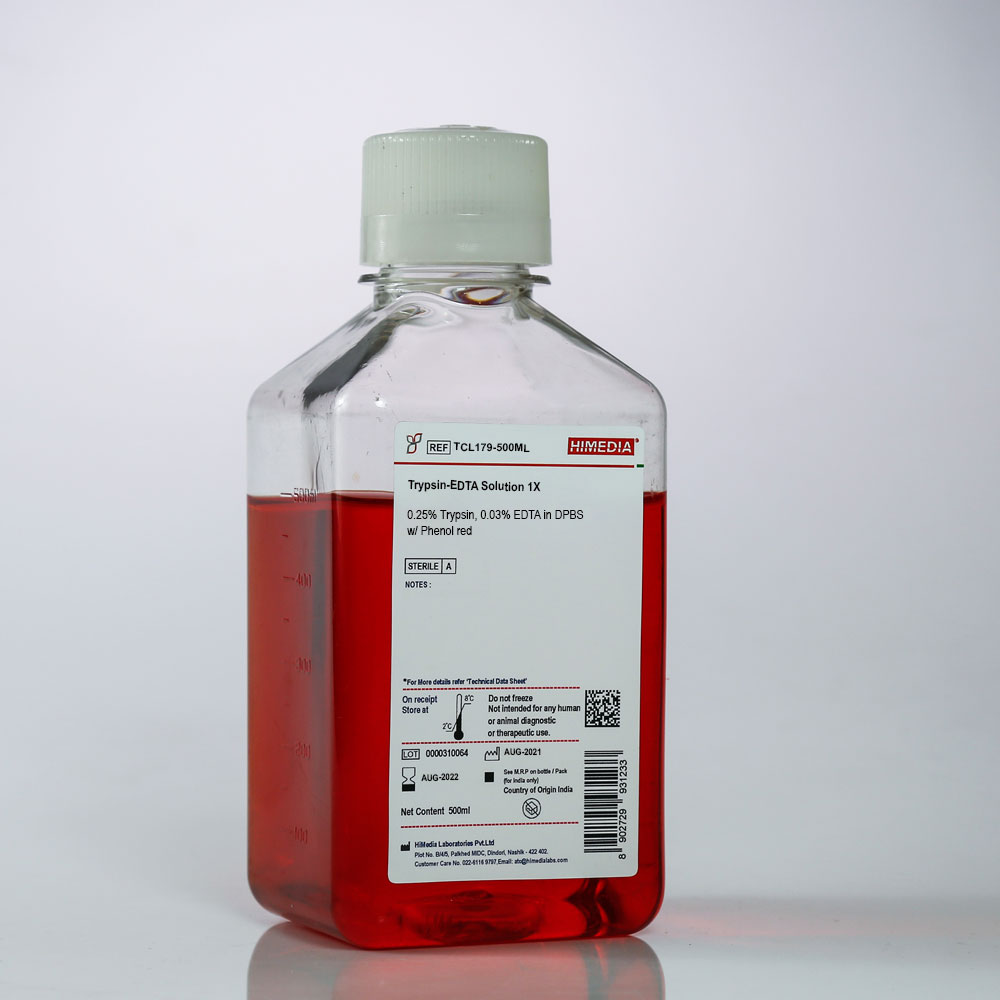
Trypsin-EDTA Solution
A Trypsin-EDTA Solution is a standard biochemical reagent used in cell culture to detach and dissociate adherent cells from culture vessels.
Key Components & Function
- Trypsin: A porcine- or bovine-derived serine protease that cleaves peptide bonds at the C-terminal side of lysine and arginine residues, breaking down cell-to-substrate and cell-to-cell protein attachments.
- EDTA (Ethylenediaminetetraacetic acid): A chelating agent that binds free calcium and magnesium ions, which are required for cell adhesion molecules (like cadherins) to function, thereby boosting trypsin’s proteolytic efficiency.
- Buffer System: Typically formulated in a balanced salt solution such as PBS (Phosphate-Buffered Saline) or HBSS (Hanks’ Balanced Salt Solution), occasionally with phenol red as a pH indicator.
Common Applications
- Cell Passaging: Detaching monolayers of cells for subculturing.
- Single-Cell Suspensions: Disaggregating tissues or primary cell clumps for flow cytometry, counting, or seeding.
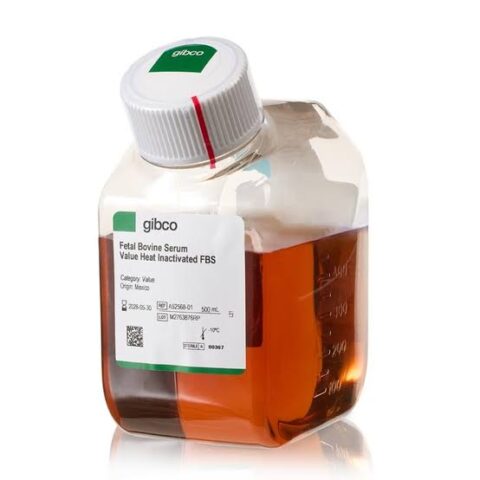
- Termination: Enzymatic action is typically stopped (neutralized) by adding serum-containing medium (such as FBS) or a dedicated trypsin inhibitor (like soybean trypsin inhibitor).
2000 in stock
Product successfully added to the Quote List
Add to cart